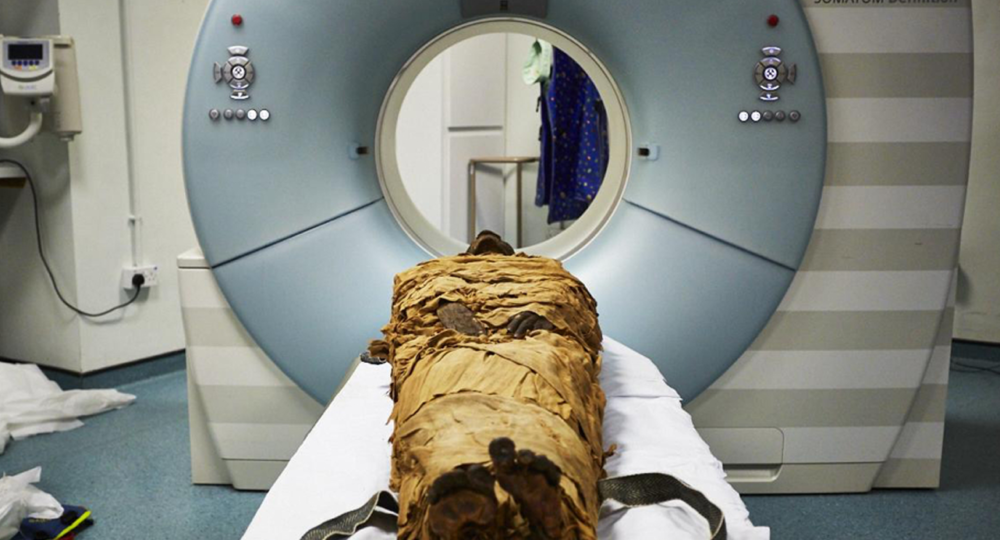
Scientists Use Modern DNA Technology to Study 3,000-Year-Old Mummies
Scientists are using advanced DNA sequencing technology to unlock the genetic secrets of 3,000-year-old Egyptian mummies, offering unprecedented insight into ancient civilizations and human history.
For decades, studying ancient DNA was extremely difficult due to degradation caused by heat, humidity, and the embalming process. However, modern breakthroughs in genetic sequencing and contamination control have made it possible to extract and analyze fragments of preserved DNA from ancient remains.
Unlocking Genetic Secrets
Researchers carefully collected samples from bone and tooth material, which are more likely to preserve genetic material over thousands of years. Using next-generation sequencing technology, scientists reconstructed portions of the mummies’ genomes.
The findings are helping experts understand:
-
Ancestry and population origins
-
Genetic links to modern populations
-
Hereditary diseases
-
Migration patterns in ancient times
Preliminary results suggest that ancient Egyptians may have had genetic connections to populations from the eastern Mediterranean and parts of North Africa.
Insights Into Ancient Health and Lifestyle
DNA analysis also reveals valuable information about health conditions. Scientists have identified genetic markers associated with certain diseases, providing clues about the medical challenges faced by ancient civilizations.
In addition, researchers can detect evidence of diet, pathogens, and even immune responses, offering a clearer picture of how people lived thousands of years ago.
Technology Transforming Archaeology
Modern laboratory techniques, including polymerase chain reaction (PCR) and high-throughput genome sequencing, allow researchers to amplify tiny fragments of ancient DNA without significantly damaging the remains.
Strict contamination controls are used throughout the process, as modern human DNA can easily interfere with ancient samples.
Rewriting Ancient History
These genetic discoveries are helping historians refine their understanding of Egypt’s social structure, trade connections, and migration history. Combined with archaeological evidence such as artifacts, inscriptions, and burial practices, DNA research is adding a powerful scientific dimension to the study of ancient civilizations.
As genetic technology continues to improve, researchers hope to analyze more mummies from different regions and time periods, further illuminating humanity’s distant past.
The study of ancient DNA is not just about uncovering history — it is about understanding how human populations evolved, migrated, and adapted over thousands of years.